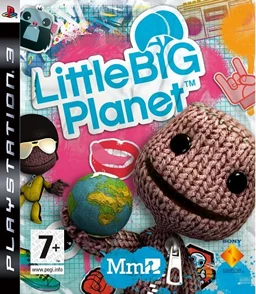
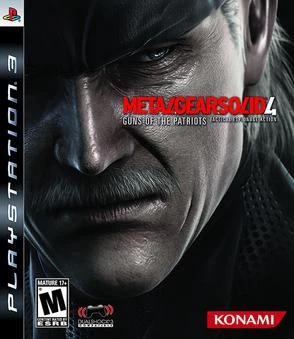
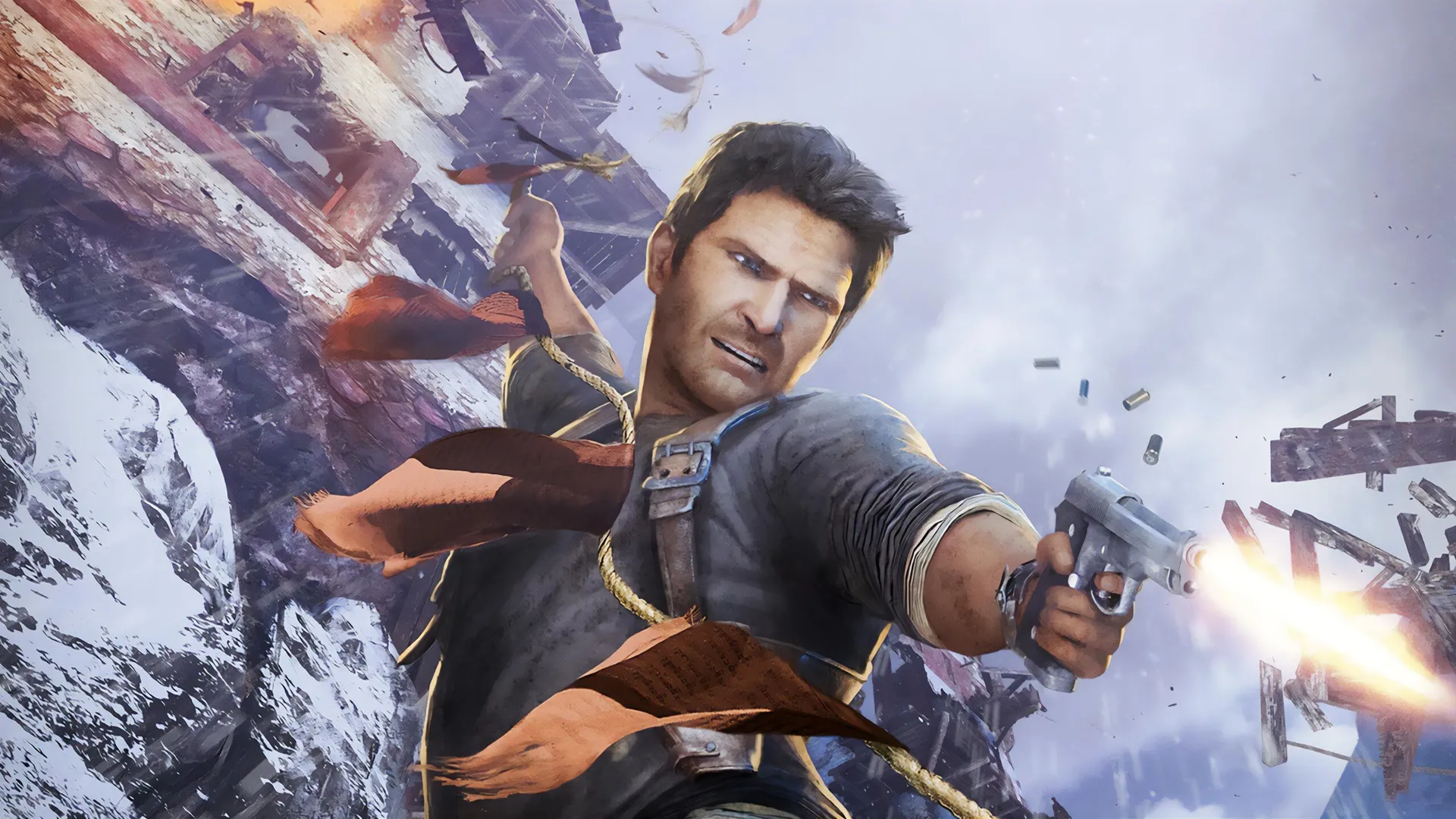
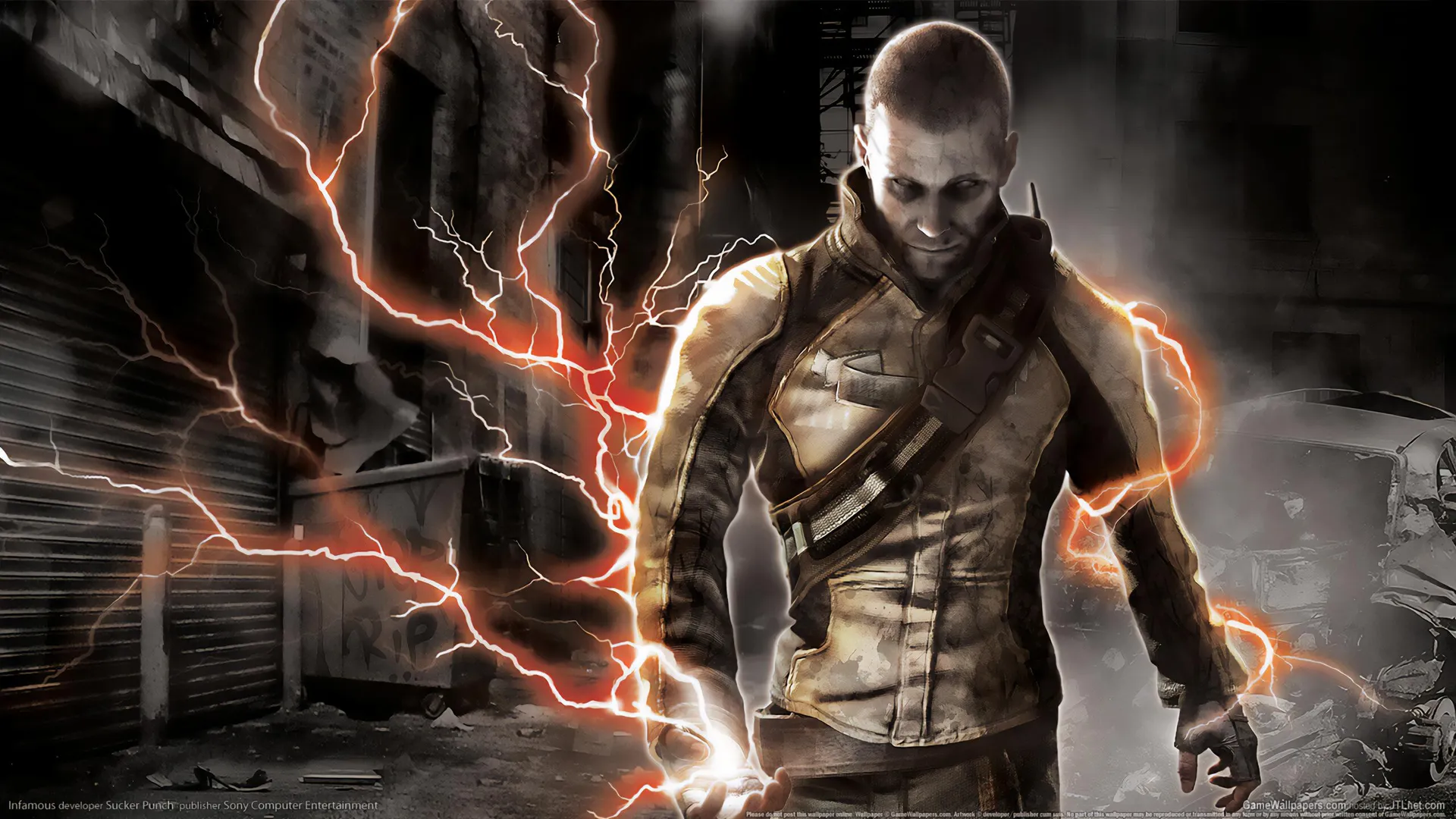
2 apps in progress2 up next20 games worth saving4 steering files
Necrocell · Kiroween 2026
Raise the dead.
A Kiro-native kit for building homebrew apps on a 2006 console, and two apps raised from it. Describe an app in one sentence; Kiro writes the spec, builds it in Docker and deploys it to the TV.
01
Template
A small C skeleton: app loop, controller input, logging and nc_gfx drawing with a GPU backend and a Linux backend for fast testing.
02
.kiro
Steering, specs and hooks that hold Kiro to the platform's real APIs: big-endian data, no invented functions, clean exits.
03
necrocell-mcp
Tools Kiro calls to build, package, deploy, launch and read live logs from the console.
You describe it."Show the fan speed as a ring that turns red when it's hot."
Kiro writes the spec.Requirements, design and tasks, guided by Necrocell's steering.
It builds.The C template compiles inside the PSL1GHT toolchain container.
It deploys.necrocell-mcp packages the app and sends it to the console over the LAN.
It runs on the TV.Logs stream back to Kiro, so it can fix what broke.
Measured timings for each step will be published with our benchmark.
Under the hood
The rules Kiro follows.
These are read straight from the repo's .kiro/ folder when the site builds, so they never go stale.
.kiro/steering/product.md
---
inclusion: always
---
# Product: Necrocell

Necrocell is a Kiro-native skeleton for building homebrew apps for the PlayStation 3 (Cell Broadband Engine), plus two apps built from it:
- **Vitals** (`apps/vitals`): live CPU/RSX temperature and fan health, with overheating warnings for aging consoles.
- **Ark** (`apps/ark`): backs up the user's **own** save data to their own computer over the LAN. `apps/ark/host` receives it.

## Audience
- PS3 owners keeping old consoles alive.
- People preserving their saves before the PS3 store closes (July 2027).
- New homebrew developers.

## Non-negotiables
- Apps are small, fast, and reliable. 60 fps, clean exit to the system menu, no crashes on bad input.
- **Ark handles save data only. It never touches game content, licenses, keys, or DRM.** Saves are tied to the owner's console/account, and we state this plainly in the UI and docs.
- No piracy features, no PSN/online circumvention, no cheats.
- No Sony trademarks, logos, fonts, icons, sounds, or firmware anywhere in the repo or UI (see `trademark-safe.md`).

## Scope discipline
Prefer the smallest design that works. No new dependency, AI feature, or service unless the spec asks for it.
.kiro/steering/ps3-platform.md
---
inclusion: fileMatch
fileMatchPattern: ["template/**", "apps/**/src/**", "apps/**/Makefile"]
---
# PS3 platform rules (PSL1GHT homebrew, C)

## Toolchain facts
- SDK: **PSL1GHT** + ps3toolchain, used via the Docker image `hldtux/ps3dev` (`$PS3DEV=/usr/local/ps3dev`).
- Available libraries in `$PS3DEV/portlibs/ppu`: **tiny3d**, **libfont**, SDL2 (PS3 port), NoRSX, cairo, libpng/jpeg. **Before using any function, confirm it exists by grepping the headers in `$PS3DEV`**. Never invent APIs. If unsure, say so and check.
- Outputs: `.elf` → `.self` (and `.fake.self`) → optional `.pkg`. Build with `make` inside the container.
- Do **not** use the Cg shader compiler (not installed). Use tiny3d's built-in shaders.

## CPU / memory
- The PPU is **big-endian PowerPC 64**. Any data shared with the host (network packets, files read on Linux) must use explicit byte-order helpers, never raw struct dumps.
- Keep memory use small (the system has 256 MB main RAM and 256 MB video RAM). No large static buffers without justification.
- RSX/DMA-visible buffers must be properly aligned (tiny3d/rsx helpers handle this; don't hand-roll unless required). SPU DMA needs 16-byte alignment, 128 preferred. SPU work is out of scope unless a spec asks for it.

## App lifecycle
- One main loop: poll input → update → draw → flip, at vsync (60 Hz).
- Register a system-utility callback and **exit cleanly when the user quits from the system menu** (handle the exit-game event). Never hang on exit.
- Never block the main loop on network or disk I/O. Use a worker thread or a non-blocking/polled design.

## Graphics
- Apps draw only through `nc_gfx` (`template/include/nc/gfx.h`). Backends: `ps3` (tiny3d) and `sdl` (Linux desktop). App code must compile against both.
- Target 1280×720, with safe margins of about 5% for TVs.

## Logging & debugging
- Use `nc_log()` (UDP to the host, plus stdout on the SDL build). Every error path logs a clear message.
.kiro/steering/build-deploy.md
---
inclusion: always
---
# Build & deploy

- Build the PS3 code **only inside Docker**: `docker run --rm -u $(id -u):$(id -g) -v $PWD:/src -w /src hldtux/ps3dev make` (pin the image digest in `docker/`).
- Desktop build: `make -f Makefile.sdl` (or the target the template defines), using the system SDL2.
- Each app's output naming: `apps/<app>/build/<app>.self`, `<app>.pkg`.
- App metadata (`sfo.xml`): unique `TITLE_ID` per app (format `NCLL0000X`, with a distinct number per app), a human title without Sony trademarks, and our own `ICON0.PNG`.
- Deploy and launch go through the **necrocell-mcp** tools (`build`, `package`, `deploy`, `launch`, `logs`). Targets: `sdl`, `rpcs3`, `ps3`. Don't hand-run FTP commands in specs.
- RPCS3 on Linux: run the AppImage with `APPIMAGELAUNCHER_DISABLE=1`. Firmware must come from Sony's official site and is **never** committed.
- Never commit: build outputs, `.PUP` firmware, keys, `.env`.
.kiro/steering/trademark-safe.md
---
inclusion: always
---
# Trademark & asset safety (judging rule: no third-party trademarks)

- Never use "PlayStation", "PS3", the PlayStation logo, button-symbol artwork, XMB icons, Sony fonts, the boot sound, or the official wave background **in app UI, icons, the site hero, or video graphics**.
- Docs may describe compatibility factually ("runs on the PS3 via homebrew"), with a "not affiliated with Sony" note.
- Controller prompts: use words or our own glyphs ("Confirm", "Back"), not Sony's button symbols.
- Visual identity is our own: the **ember wave** (amber #FF8C00 → violet #2A0A3A), our own icons, and an open-licence font (OFL/CC0 only, with the licence file committed alongside).
- Audio: original or CC0 only.
- Any new asset needs its source and licence noted in `ASSETS.md`.
- **Exception (owner decision, 2026-11-24):** the site's "Worth saving" panels may show publisher cover art from `site/public/covers/`, credited as homage. It is gated by `SHOW_COVERS` in `site/src/data/covers.ts`. Never use cover art anywhere else (hero, icons, app UI, video graphics). Do not remove the switch.
Specs: necrocell-sitenecrocell-template
Get started
Four commands.
# 1. get the kit
git clone https://github.com/Mofe-Bankole/necrocell
cd necrocell
# 2. build the hello app in the toolchain container
docker run --rm -u $(id -u):$(id -g) -v $PWD:/src -w /src/apps/hello hldtux/ps3dev make
# 3. or test it on Linux first
make -C apps/hello -f Makefile.sdl run
# 4. run it in the RPCS3 emulator
rpcs3 --no-gui apps/hello/build/hello.self
The template is being built this week; paths may still change. RPCS3 needs the console's system software: download it only from Sony's official page. We never ship it.
App · Vitals Building
Vitals.
Old consoles die of heat: dried thermal paste, dusty fans. Vitals shows CPU and GPU temperatures and fan speed, and warns you before it's too late.
CPU--°C
GPU--°C
Fan--%
Warming up…
Simulated readings. A recording from real hardware replaces this once our console is back from repair.
How it reads sensors
First choice: read the temperatures on the console through a system call available on homebrew-enabled firmware.
Fallback: ask webMAN MOD's local web interface, which many homebrew users already run.
Never: change fan curves or firmware settings. Vitals only reads.
App · Ark Building
Ark.
Hard drives in these consoles are 15+ years old. Ark copies your own save files to your PC over Wi-Fi, so a dead drive doesn't take years of progress with it.
Campaign save · Chapter 72.1 MBAt risk
Profile & settings0.3 MBAt risk
Creative levels (12)18.4 MBAt risk
Second playthrough2.2 MBAt risk
Arcade high scores0.1 MBAt risk
Simulated. The real app runs on the console and sends to a small receiver on your PC.
What Ark won't do
It backs up your own saves, from your own console and account.
It does not copy games, unlock protected saves, or move saves between accounts.
Some saves are copy-protected by their games. Ark tells you which ones, instead of pretending.
App · Grip Next up
Grip.
A controller tester for second-hand consoles: every button, trigger and stick, live, with drift shown as numbers.
Plug a controller into this computer and press anything: the mockup above reads it live.
The one sentence
"Show every button and both sticks of the controller live, and flag stick drift above 10%."
Grip is the app we plan to raise live in our demo video: typed into Kiro, built and deployed to the TV on camera.
App · Hearth Next up
Hearth.
Turns an idle console into a living-room clock. The ember wave warms at dawn and cools to violet at night, and it drifts slowly so the screen never burns in.
The one sentence
"A full-screen clock over the ember wave whose colours follow the time of day, with slow drift to protect the screen."
App · Hello, Cell Template sample
Hello, Cell.
The smallest Necrocell app. Four hooks, no platform code: the same file builds for the console, the emulator and a Linux window.
#include <nc/app.h>

static float x = -200, t = 0;

void app_init(void) { nc_log(NC_INFO, "hello: up"); }

void app_update(float dt, const nc_input *in) {
    t += dt;
    x += 240 * dt;
    if (x > 1280) x = -200;
    if (nc_pressed(in, NC_CONFIRM)) nc_log(NC_INFO, "confirm");
}

void app_draw(nc_gfx *g) {
    nc_gfx_clear(g, 0x0B0710FF);
    nc_gfx_wave(g, t);                     /* the ember wave */
    nc_gfx_text(g, 80, 180, 80, "Hello, Cell", 0xEDE6DAFF);
    nc_gfx_rect(g, (int)x, 320, 200, 120, 0xFF8C00FF);
}

void app_shutdown(void) { nc_log(NC_INFO, "hello: bye"); }
API preview: final names follow the template spec as it's implemented.
App · Your turn
Raise your own.
Describe a console app in one sentence. We'll turn it into the exact prompt to give Kiro inside the Necrocell repo.
Prompt for Kiro
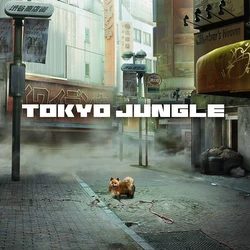
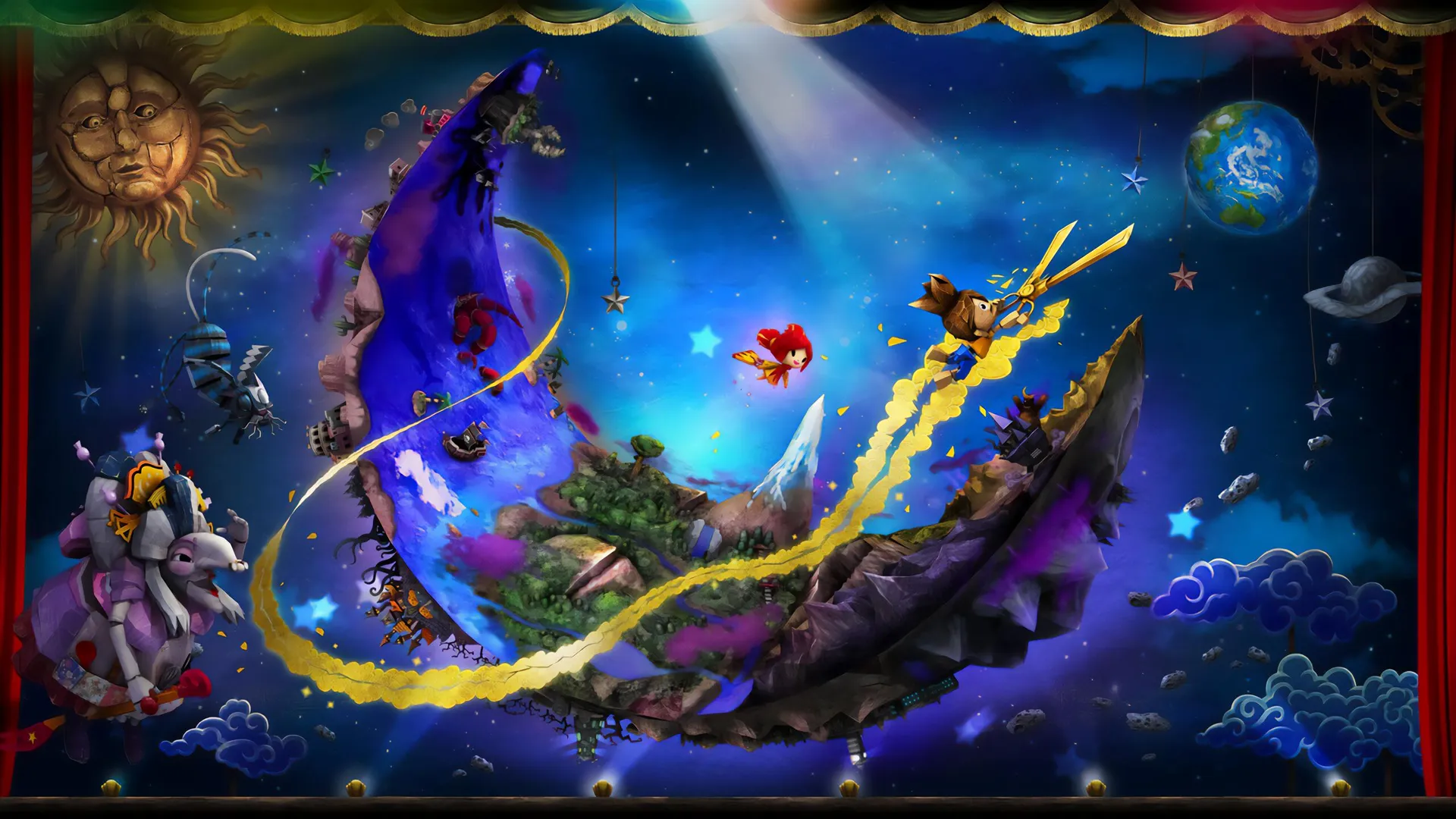
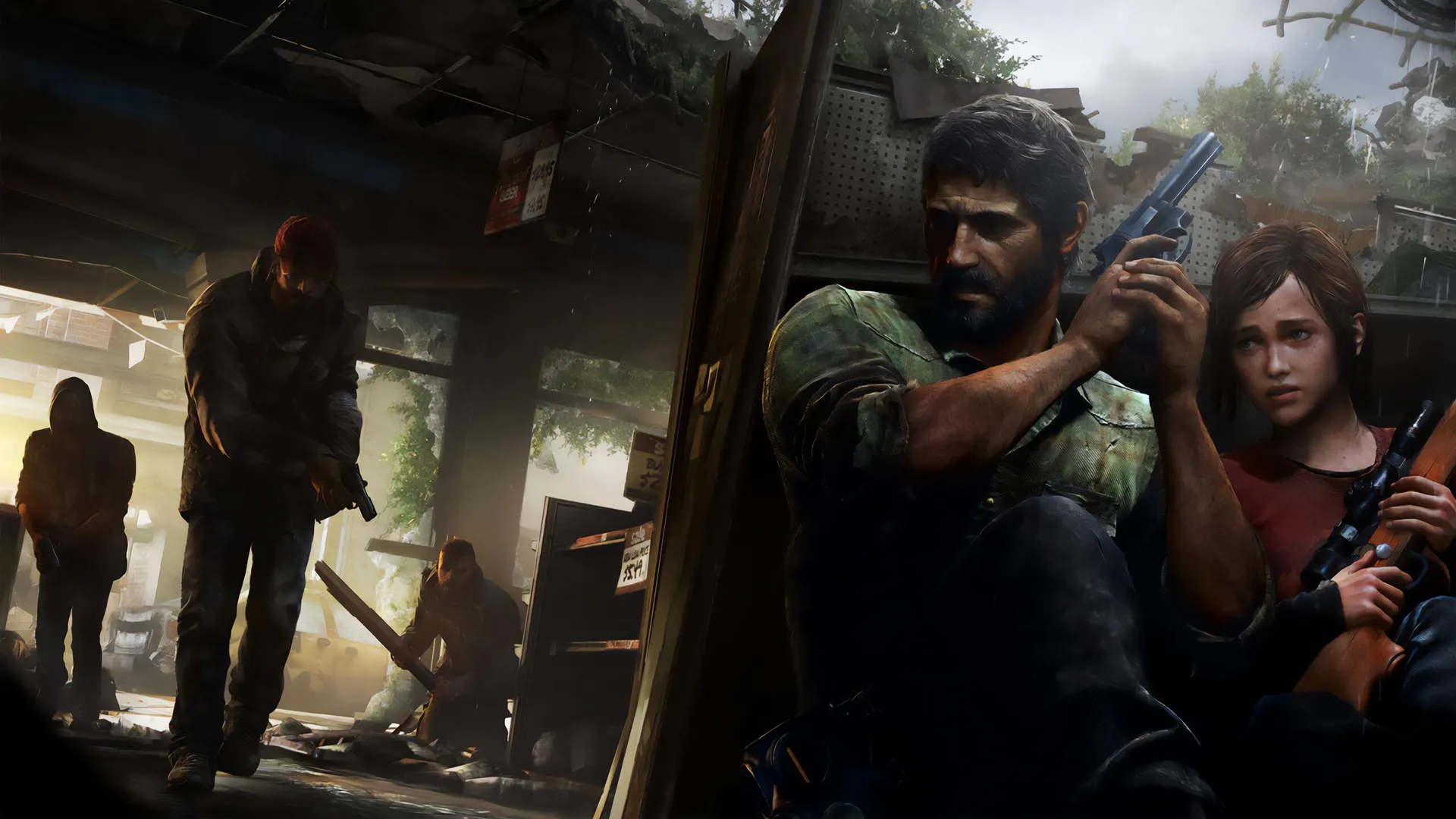
Worth saving · 2006
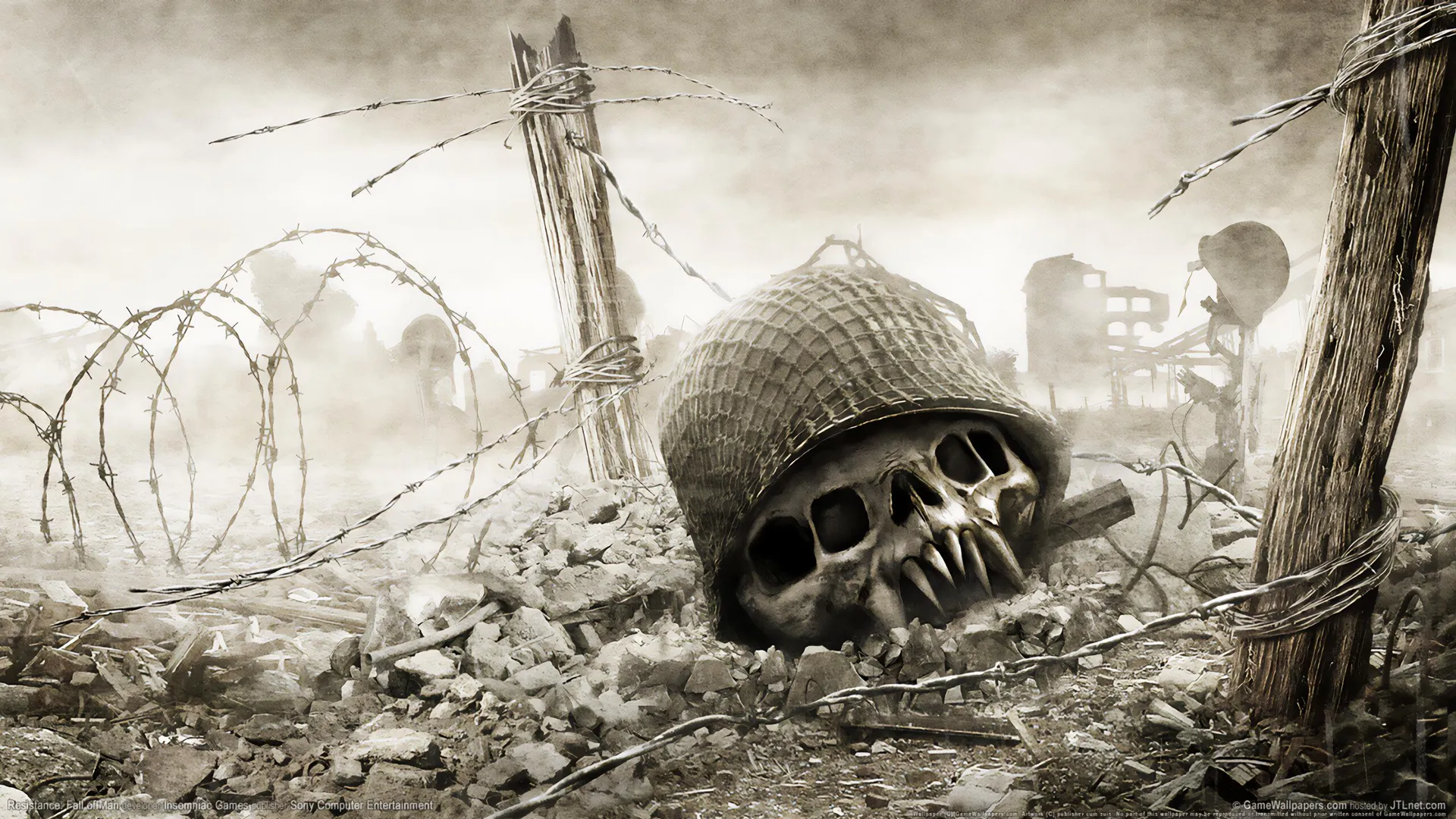
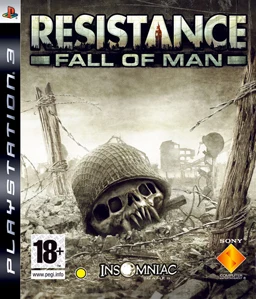
Resistance: Fall of Man
Insomniac Games
A launch title that showed what the console could do on day one. It's also the disc that failed in our founder's console.
Roughly 87 million consoles were sold between 2006 and 2017. Many still work, and every one of them is aging: drives, fans and thermal paste wear out.
Why now
… days
The console's digital store stops selling new content worldwide. What's on your drive, including your saves, is what you'll have.
Counting down to 1 July 2027; the store stops new purchases by July 2027.
Why now
1 + 8
The Cell processor: one PowerPC core and eight vector units (seven enabled, six for apps). It's powerful, unusual and big-endian, and AI coding tools routinely invent functions for it that don't exist. Necrocell's steering exists to stop that.
Why we care
Bought in its final year.
"My father bought me this console in 2017, the year production ended. One disc later failed, and the console needs repair now. This project is how we keep consoles like it alive." — Mofe
About
The crew.
Built for Kiroween 2026 by Mofe Bankole and Steven, in Kiro, with specs, steering and hooks in the open.
Necrocell is an independent project. It is not affiliated with, endorsed or sponsored by Sony Interactive Entertainment. "PlayStation" and "PS3" are trademarks of their owners and are used only to describe compatibility. Game titles belong to their publishers. Cover art belongs to the respective publishers and is shown only as homage; everything else is our own work.